Luxury Uganda Safari Guide
Uganda is known as the Pearl of Africa. It is a landlocked country in East Africa, crossed by the Equator, and covers about 241,559 square kilometers, including Lake Victoria in the south.
Uganda has 10 major national parks: Bwindi Impenetrable National Park, Mgahinga Gorilla National Park, Murchison Falls National Park, Queen Elizabeth National Park, Kibale National Park, Lake Mburo National Park, Kidepo Valley National Park, Rwenzori Mountains National Park, Semuliki National Park, and Mount Elgon National Park.
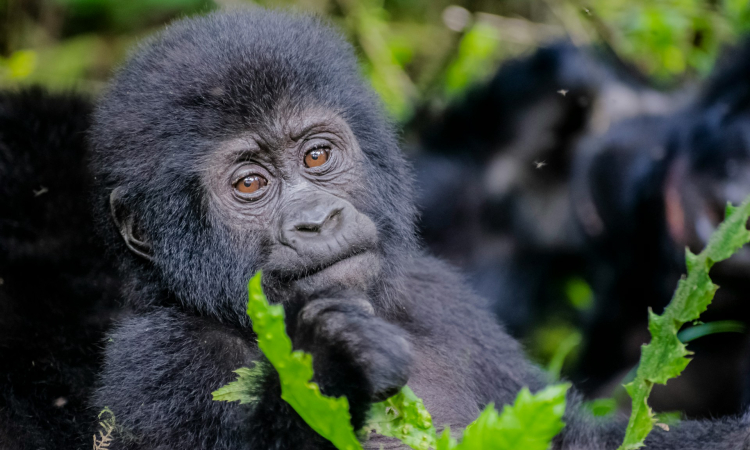
Most travelers on a luxury Uganda safari come to see mountain gorillas in Bwindi or Mgahinga. Uganda also offers chimpanzee trekking, game drives, and a wide range of wildlife and landscapes across its parks.
Top Things to Do on a Luxury Uganda Safari
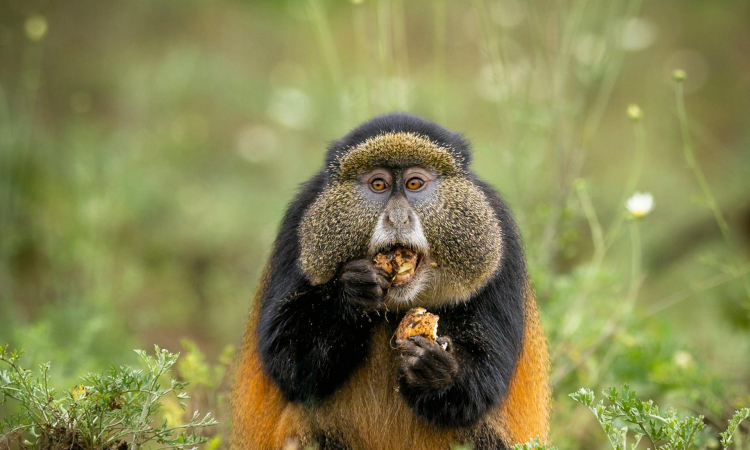
Gorilla trekking in Bwindi, chimpanzee trekking in Kibale, game drives in Queen Elizabeth National Park, boat cruise on the Kazinga Channel, Murchison Falls, rhino tracking at Ziwa, golden monkey trekking in Mgahinga, birdwatching in Bwindi, shoebill watching in Mabamba, hiking the Rwenzori Mountains, hiking Mount Elgon, Sipi Falls, Lake Bunyonyi, boat trips on Lake Victoria, a Kampala city tour, white water rafting on the Nile, lion tracking in Queen Elizabeth National Park, cultural tours with the Batwa, and community walks in Buhoma.
Top Luxury Lodges in Uganda
Our luxury Uganda safaris feature premium lodges, including:
- Volcanoes Bwindi Lodge
- Trackers Safari Lodge
- Silverback Lodge
- Sanctuary Gorilla Forest Camp
- Ruzogo Lodge
- Nkuringo Bwindi Gorilla Lodge
- Mutanda Lake Resort
- Mahogany Springs Lodge
- Kiho Gorilla Safari Lodge
- Gorilla Heights Lodge
- Gahinga Lodge
- Engagi Lodge
- Clouds Mountain Gorilla Lodge
- Chameleon Hill Lodge
- Burunga Lodge
- Buhoma Lodge
- Asilia Erebero Hills
Best Time for a Luxury Uganda Safari
Uganda has two dry seasons, from June to September and December to February, which are the best times for gorilla trekking and wildlife viewing. Uganda has average temperatures up to 26 degrees Celsius and can be visited year round.
How to Get to Uganda
Entebbe International Airport is Uganda’s main entry point for international flights, about 40 kilometers from Kampala. A valid passport or accepted travel document is required for entry.
Popular Luxury Uganda Safari FAQs
Below are some of the most popular questions about luxury Uganda safaris.
- What is Uganda known as? Uganda is known as the Pearl of Africa.
- Where is Uganda located? Uganda is located in East Africa, crossed by the Equator.
- Where can I see mountain gorillas in Uganda? You can see mountain gorillas in Bwindi Impenetrable National Park and Mgahinga Gorilla National Park.
- How much of the world’s mountain gorillas live in Uganda? Bwindi Impenetrable National Park is home to over half the world’s remaining mountain gorilla population.
- Where can I track chimpanzees in Uganda? You can track chimpanzees in Kibale National Park.
- What other wildlife can I see in Uganda? Uganda offers golden monkeys, lions, elephants, rhinos, and shoebill storks, among other species.
- Can I combine gorilla trekking with other parks in Uganda? Yes. Many luxury Uganda safaris combine Bwindi with Murchison Falls, Queen Elizabeth National Park, or Kibale Forest.
- What is Murchison Falls known for? Murchison Falls National Park is known for its waterfall on the Nile and game drives with elephants, lions, and giraffes.
- What is Queen Elizabeth National Park known for? Queen Elizabeth National Park is known for game drives, boat cruises on the Kazinga Channel, and lion tracking.
- Can I do a boat cruise in Uganda? Yes. Boat cruises are offered on the Kazinga Channel and Lake Victoria.
- Can I go white water rafting in Uganda? Yes. White water rafting is offered on the Nile near Jinja.
- Can I hike in Uganda? Yes. You can hike the Rwenzori Mountains or Mount Elgon.
- What is the weather like in Uganda? Uganda has calm weather ranging from warm to cool, with average temperatures up to 26 degrees Celsius.
- When is the dry season in Uganda? Uganda has two dry seasons, from June to September and from December to February.
- When is the wet season in Uganda? Uganda has two wet seasons, from March to May and from October to November.
- What is the best time for gorilla trekking in Uganda? The dry seasons offer the easiest trekking conditions and clearest views.
- Can I visit Uganda in the wet season? Yes. Uganda can be visited at any time of year.
- What is the capital city of Uganda? The capital city is Kampala.
- Where are most safari attractions located in Uganda? Most attractions are found in the western region of Uganda.
- How do I travel to Uganda? Fly into Entebbe International Airport, Uganda’s main international entry point.
- Do I need a passport to visit Uganda? Yes. A valid passport or accepted travel document is required.